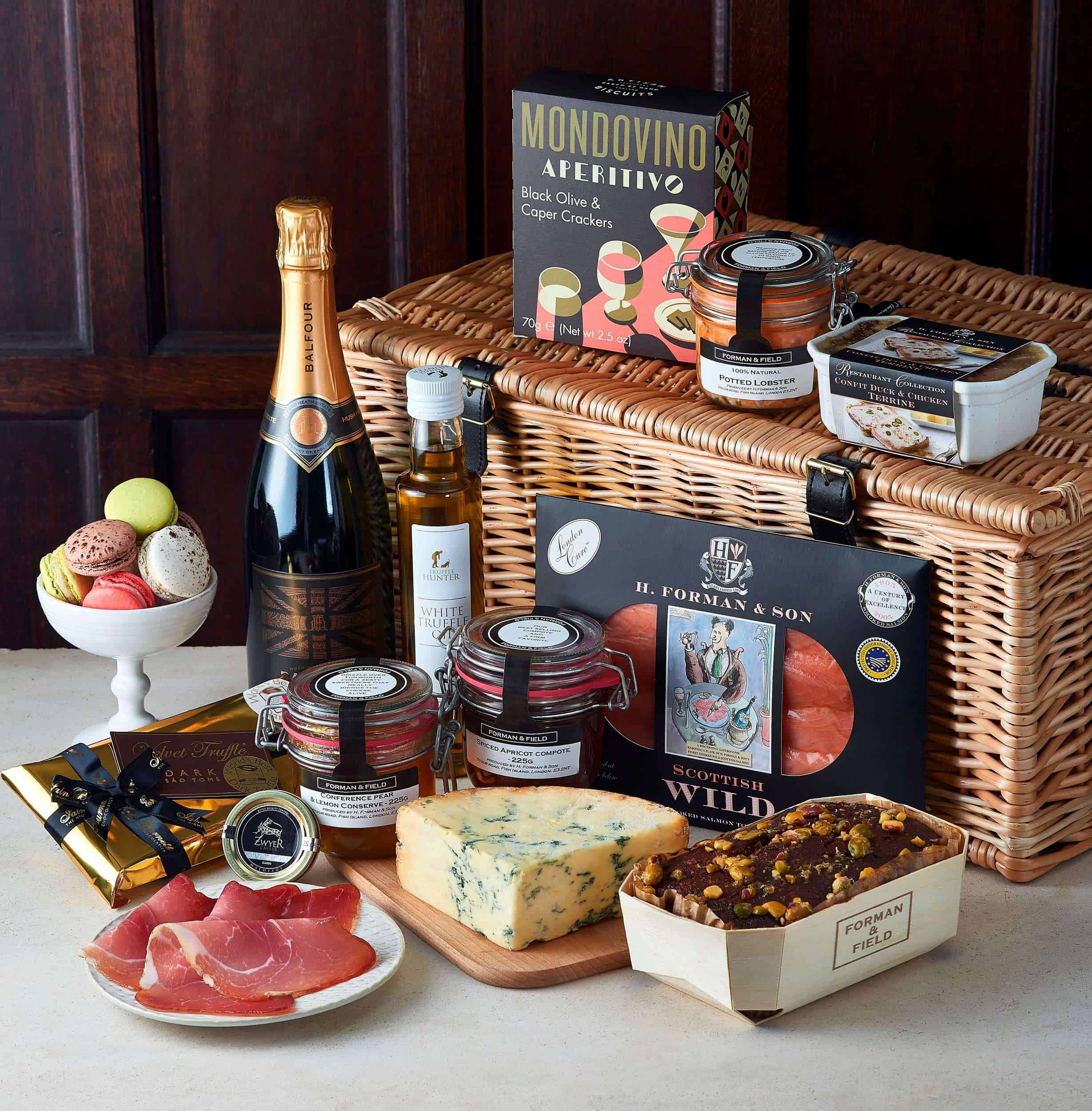
Picture this: you're hunting for a present that feels personal, tastes incredible, and quietly does good in the world. Enter gourmet gift baskets—Australia's tastiest answer to the age-old question, "What on earth do I buy?" These curated bundles of joy aren't just about fancy crackers and truffle oil; they're a delicious way to keep dollars circulating in our own backyard while delighting every palate from Perth pescatarians to Darwin dessert devotees.
Why Gourmet Gift Baskets Are Booming Down Under
Australians spent over $400 million on hamper-style gifts last year, and the numbers keep climbing faster than a possum up a gum tree. Why the surge? Blame lockdown nostalgia, the rise of remote work, and a collective realisation that supporting local makers tastes better than mass-produced imports. Gourmet gift baskets tick three boxes at once: convenience, luxury, and community impact. Instead of one more forgettable candle, recipients open a woven cornucopia of small-batch kimchi, single-origin drinking chocolate, or native finger-lime marmalade—each jar a love letter to regional artisans.
The beauty lies in the storytelling. When your colleague tears open a box and finds Tasmanian leatherwood honey, she's not just spreading sweetness on her toast; she's learning about beekeepers who lost hives in the 2019 bushfires and rebuilt with local help. That narrative turns a snack into a conversation, a memory, a cause worth sharing on Instagram without a hint of #humblebrag.
How Local Makers Fill Each Basket with Heart
Walk into any decent providore from Adelaide's Central Market to Brisbane's Fish Lane and you'll spot the same trend: shelf space once dominated by European imports now showcases quandong paste, lemon myrtle cashews, and wattleseed granola. Gift-basket curators have become talent scouts, scouring farmers' markets at dawn to secure limited runs of chilli-infused mango liqueur or eucalyptus-smoked olives. The arrangement is symbiotic: makers get bulk orders they can plan around, and curators secure exclusive products shoppers won't find in big-box stores.
Take Margot & Sons in Daylesford. Their "Highlands Harvest" hamper features a wheel of volcanic-salt cheddar that isn't listed anywhere else; the cheesemaker ages it specifically for them. When that wheel sells out, the basket evolves, keeping repeat customers curious and local dairies humming. It's farm-to-doorstep reliability with just enough scarcity to feel special—no small feat in an age of next-day everything.
Environmental Perks of Buying Aussie-Made Baskets
Forget food miles; think food metres. A Victorian yarra-valley Pinot Noir jelly travels roughly 90 km to reach Melbourne gift recipients, compared with 16,000 km for a French champagne truffle assortment. That shorter journey slashes transport emissions by up to 95 %, all while guaranteeing fresher flavours. Many basket companies now pack goods in biodegradable seaweed-based foam or repurposed wool stuffing that doubles as garden mulch. Even the baskets themselves are getting a second life: one Sydney start-up weaves discarded hotel linens into washable picnic hampers sturdy enough to become laundry baskets—zero-waste inception at its finest.
Smart Shopping: Questions to Ask Before You Click "Buy"
Not all baskets are created equal. Some resellers import chocolate bunnies from Germany, toss in a kookaburra card, and market the result as "quintessentially Australian." To ensure your dollars stay local, fire off these quick queries:
- Where are the majority of products sourced? Look for postcodes, not platitudes. Does the company publish a list of partner producers? Transparency equals traceability. Are items seasonal? If you spot cherries in July, sound the import alarm. What happens to unsold perishables? Ethical firms donate to OzHarvest or regional food banks.
And here's a cheeky insider tip: check the delivery window. True artisanal items can't sit in a 40 °C courier van for five days without morphing into expensive compost. Reputable curators use refrigerated transport in summer and insulated liners year-round—because no one wants bloomed chocolate resembling the surface of the moon.
Community Impact Beyond the Basket
The ripple effect is real. Every $100 spent on Australian-made gourmet gift baskets generates roughly $280 of economic activity as producers pay staff, staff pay rent, and landlords grab flat whites down the street. In regional towns, a single large order can keep a family farm afloat through drought season. When the Blue Mountains-based Tiny Theatre Preserves scored a contract for 3,000 mini damson-plum chutneys, they hired six locals who had been on JobSeeker for months. One of those hires now runs her own label, proving that today's condiment could be tomorrow's cornerstone employer.
Charitable add-ons amplify the goodwill. Many curators let customers tack a $5 donation onto any basket; funds go to rural mental-health programs like Beyond Blue's Flying Counsellor service. Others run "buy one, give one" campaigns at Christmas, matching every corporate order https://www.scribd.com/document/982556237/What-Are-Eco-Friendly-Gourmet-Hamper-Options-Online-202827 with a food hamper for a regional women's shelter. Suddenly that Friday-afternoon client thank-you becomes a lifeline for a mum in Mudgee.
Choosing the Perfect Basket for Every Occasion
Matching the hamper to the human needn't feel like threading a needle in a hailstorm. Start with dietary radar: gluten-free friends will beam over quinoa crisps and macadamia dukkah, while keto colleagues swear by truffle almonds and native pepper jerky. Then consider the setting. A picnic-ready wicker packed with chilled shiraz jelly and cheddar crackers sings for housewarmings, whereas a sleek black box of single-estst coffee and cacao nibs suits corporate milestones. Finally, add a local twist: if they're Sydney-siders, throw in Quay's signature pearl-meat jerky; for Tasmanians, a miniature bottle of Derwent Valley saffron liqueur hits home.
The Future of Gourmet Gifting: Trends to Watch
Look ahead and you'll see augmented-reality tags that let recipients meet the farmer via a 30-second video when they scan a jar. Expect climate-adaptive contents: if Queensland faces another banana shortage, curators will swap to NT mangoes without missing a beat, keeping farmers flexible and customers curious. Subscription models are also surging—imagine quarterly "Taste of the Outback" deliveries featuring Indigenous bush teas and croc-jerky biltong, complete with a QR code to hear traditional stories in the custodians' own voices. Technology serving tradition? Only in Australia would that feel as natural as Vegemite on sourdough.
Share the Love, Taste the Difference
Ultimately, gourmet gift baskets in Australia offer more than instant gratification; they're edible postcards that shout, "I see you, I support the little guys, and I refuse to gift another forgettable candle." Whether you're wooing clients, thanking nurses, or reminding Mum she's still the family's culinary compass, a locally curated hamper delivers joy three times—once when opened, again when sampled, and finally when the ripple effect reaches a dairy hand in Gippsland or a beekeeper in Tassie. So next time the gift-giving calendar looms, skip the frantic mall trawls and click "add to cart" on something homegrown. Your taste buds, your recipient, and your local community will thank you—no re-gifting required.